Mold
Is Mold Making Your Child Sick? What Every Parent Should Know
June 5, 2026 · 10 min read
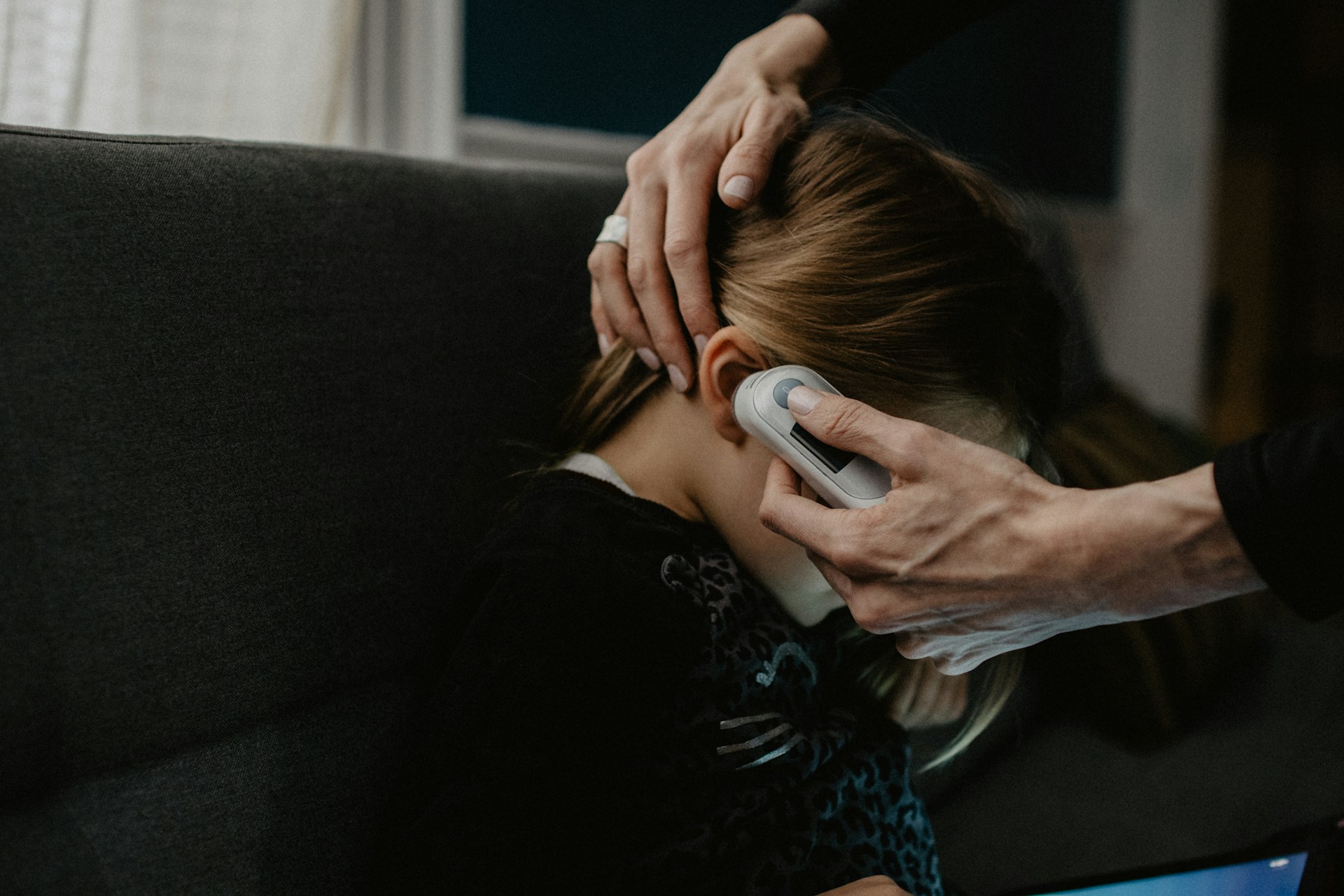
Your kid has been sick for months. The pediatrician says it’s recurring colds. Or allergies. Or maybe asthma that “just showed up.” You’ve tried the inhalers, the nasal sprays, the allergy medications. Some of them help a little. None of them fix the problem. And the thing no one has asked you yet, not the doctor, not the school nurse, not Google until you dug deep enough to land here, is this: What does your home look like? Children are more vulnerable to mold than adults. Their bodies process it differently, their lungs are still developing, and they spend more time indoors, especially during the ages when the damage matters most. If your child has unexplained chronic symptoms and your home has any history of moisture, this article is for you.
Why Children Are More Vulnerable
It’s not just that children are smaller. Their biology makes them disproportionately susceptible to the effects of mycotoxin exposure in ways that adults aren’t.
Developing immune systems. A child’s immune system doesn’t fully mature until adolescence. During infancy and early childhood, the immune response is still calibrating, learning what to fight and what to tolerate. Mycotoxin exposure during this window can disrupt that calibration, potentially triggering allergic sensitization, immune suppression, or autoimmune-like responses that persist well beyond the exposure period.
Developing lungs. Children breathe faster than adults, roughly twice as many breaths per minute during infancy. They also breathe proportionally more air relative to their body weight. This means that for every hour spent in a mold-contaminated room, a child inhales a higher dose of airborne mycotoxins per pound of body weight than an adult in the same room.
Developing brains. This is the part that doesn’t get enough attention. Certain mycotoxins, particularly trichothecenes produced by black mold, can cross the blood-brain barrier. Research from a prospective birth cohort study in Poland found that children exposed to mold-contaminated home environments in early postnatal life showed measurable deficits in cognitive function at age six. The brain is most vulnerable to environmental toxins during the first years of life, the same period when children are most likely to be spending the majority of their time indoors.
Proximity to contamination. Babies crawl on floors. Toddlers put everything in their mouths. Children play on carpets, press their faces into pillows, and spend time in the exact zones, low to the ground, close to surfaces, where mold spores and mycotoxin-laden dust are most concentrated.
Symptoms That Look Like Something Else
This is what makes mold exposure in children so difficult to identify: the symptoms mimic conditions that pediatricians see every day.
Chronic respiratory issues. Persistent cough, wheezing, congestion, frequent “colds” that seem to come back every few weeks. The American Journal of Respiratory and Critical Care Medicine has documented a direct link between damp home environments and increased respiratory symptoms in children. If your child is constantly congested or has developed asthma-like symptoms with no family history, consider what they’re breathing.
Recurring ear and sinus infections. Mold spores irritate mucous membranes and can cause chronic inflammation in nasal passages and eustachian tubes. Children who seem to cycle endlessly through sinus infections and ear infections, always on antibiotics, never fully recovering, may be dealing with continuous re-exposure to a mold source rather than a series of unrelated infections.
Skin reactions. Eczema flare-ups, unexplained rashes, persistent itching. Mold exposure can trigger histamine responses that manifest on the skin, and children are often more reactive than adults. If topical treatments keep the rash at bay but it returns the moment you stop them, the trigger may be environmental rather than dermatological.
Behavioral and cognitive changes. This is the symptom parents rarely connect to mold, but it may be the most concerning. Irritability, difficulty concentrating, mood swings, sleep disruption, declining school performance, mycotoxins that affect the nervous system don’t present as respiratory symptoms. They present as a child who seems “off” in ways that are hard to articulate but impossible to ignore.
Digestive issues. Nausea, stomachaches, loss of appetite, changes in bowel habits. Mycotoxins from species like Fusarium and Aspergillus are documented gut irritants. In children, these symptoms often get attributed to diet, stress, or “sensitive stomachs”, but they can be the result of continuous low-grade mycotoxin ingestion from hand-to-mouth contact in a contaminated environment.
Chronic fatigue. A child who’s always tired, who doesn’t want to play, who seems drained even after a full night’s sleep. Mycotoxins can impair mitochondrial function, the cellular energy production system, creating a fatigue pattern that sleep doesn’t resolve.
The Pattern That Points to Mold
Here’s the diagnostic clue that separates mold-related illness from ordinary childhood illness: the symptoms follow the environment, not the season.
If your child feels better when they’re away from home, at a grandparent’s house, on vacation, even during a long school day, and worse when they come back, that’s not coincidence. Seasonal allergies follow pollen counts and weather patterns. Mold-related symptoms follow the building.
Pay attention to when symptoms started. Did they coincide with a move to a new home? A water leak? A renovation that disturbed walls or flooring? A period of heavy rain or flooding? Mold problems have a starting point, and symptoms that appeared around the same time are a significant signal.
Also pay attention to who else in the household is affected. If multiple family members have different symptoms, one has respiratory issues, another has fatigue, another has skin problems, but they all started around the same time, a shared environmental cause is more likely than four unrelated conditions happening to emerge simultaneously.
What to Do If You Suspect Mold Is Affecting Your Child
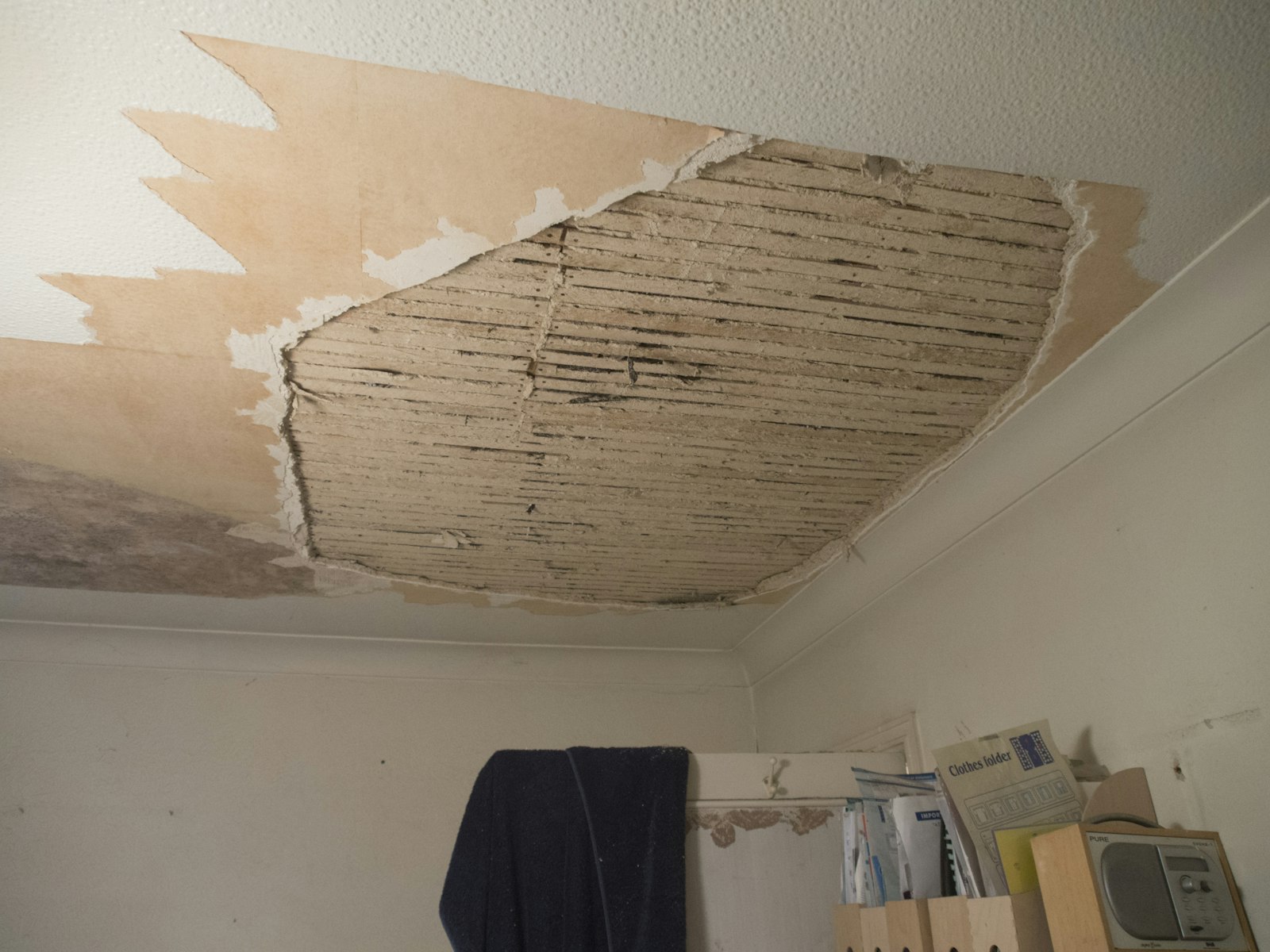
Step 1: Check your home. Inspect moisture-prone areas: bathrooms, under sinks, around windows, basement or crawl space, laundry room, and anywhere there’s been previous water damage. Look for visible mold (black, green, or white patches), water stains, warped or bubbling surfaces, and musty odors. Remember that mold often grows behind walls and under flooring where it isn’t visible.
Step 2: Test your environment. A visual inspection isn’t enough, especially if you suspect hidden mold. An indoor air quality or environmental mycotoxin test can detect toxic compounds in your home’s air or on surfaces, even from mold you can’t see. This is the most reliable way to determine whether your child is being exposed to mycotoxins, not just mold spores.
Step 3: Test your child. A mycotoxin urine test can determine whether your child’s body is carrying a toxic mold burden. This is a non-invasive at-home test, you collect a urine sample and ship it to the lab. For young children, first-morning urine collected in a standard cup is all that’s required. The results will show which specific mycotoxins are present and at what levels, giving you and your pediatrician concrete data to work with.
Step 4: Talk to your pediatrician with data in hand. Many pediatricians are not trained to screen for mycotoxin exposure. But most will take lab results seriously. Bring your environmental test results and your child’s urine test results to the appointment. Ask for a referral to a pediatric allergist, pulmonologist, or functional medicine practitioner if your pediatrician isn’t familiar with mold illness. The data will speak louder than symptoms alone.
Step 5: Remove the exposure. If testing confirms mycotoxins in your home and in your child, the priority is reducing exposure immediately. This may mean relocating temporarily while remediation occurs, running HEPA air purifiers in your child’s bedroom, replacing soft furnishings that may harbor mycotoxins, and having your HVAC system professionally cleaned. For children, speed matters, the less time spent in a contaminated environment, the better the outcome.
A Note About School and Daycare
Home isn’t the only place children spend time indoors. If your child’s symptoms seem worse during the school week and improve on weekends or holidays, the exposure source may be their classroom, not your house.
Older school buildings are notorious for moisture problems, flat roofs that pool water, aging HVAC systems, portable classrooms with condensation issues, and deferred maintenance budgets that let small leaks become big problems. If you suspect school-based exposure, request an environmental assessment from the school administration and document your concerns in writing.
The same testing approach applies: a mycotoxin urine test tells you whether your child is being exposed regardless of where the source is. If your home tests clean but your child’s urine shows mycotoxins, the source is somewhere they spend time outside the home, and the school is the most likely candidate.
Long-Term Implications and Why Speed Matters
Children’s bodies are resilient, but they’re also in a critical window of development. The immune system, the respiratory system, the neurological system, all of these are actively forming during early childhood. Prolonged mycotoxin exposure during this period can have effects that outlast the exposure itself.
Research has shown that children who live in homes with visible mold and a history of water damage have approximately double the rate of asthma development, even if neither parent has asthma. Early exposure to certain indoor molds has been correlated with increased risk of multiple allergies later in life. And the cognitive effects documented in early-childhood mold exposure studies suggest that neurological impacts may persist even after the child is removed from the contaminated environment.
None of this is meant to alarm you. It’s meant to motivate action. The earlier you identify and eliminate the exposure, the better your child’s recovery trajectory. Most children improve significantly once the source is removed and their bodies have time to clear the mycotoxin burden.
Trust Your Instinct. Then Test It.
You know your child better than any lab report does. If something has been wrong for weeks or months and nobody can explain it, if the medications help but never resolve, if your gut says the house is part of the problem, listen to that.
Then put data behind it. Test your home. Test your child. Give your pediatrician something concrete to work with. Because the answer might not be in the bloodwork or the allergy panel. It might be in the walls.
Vyro’s at-home test kits make it simple to check your environment and your family. Lab-certified mycotoxin results for your home and your body, no appointment, no wait. [Shop Tests →](https://app.vyroenvironmental.com/intake)