Water Damage
After Water Damage or Remediation, Don’t Take "All Clear" on Faith
· 4 min read · By Vyro Environmental Health & Wellness
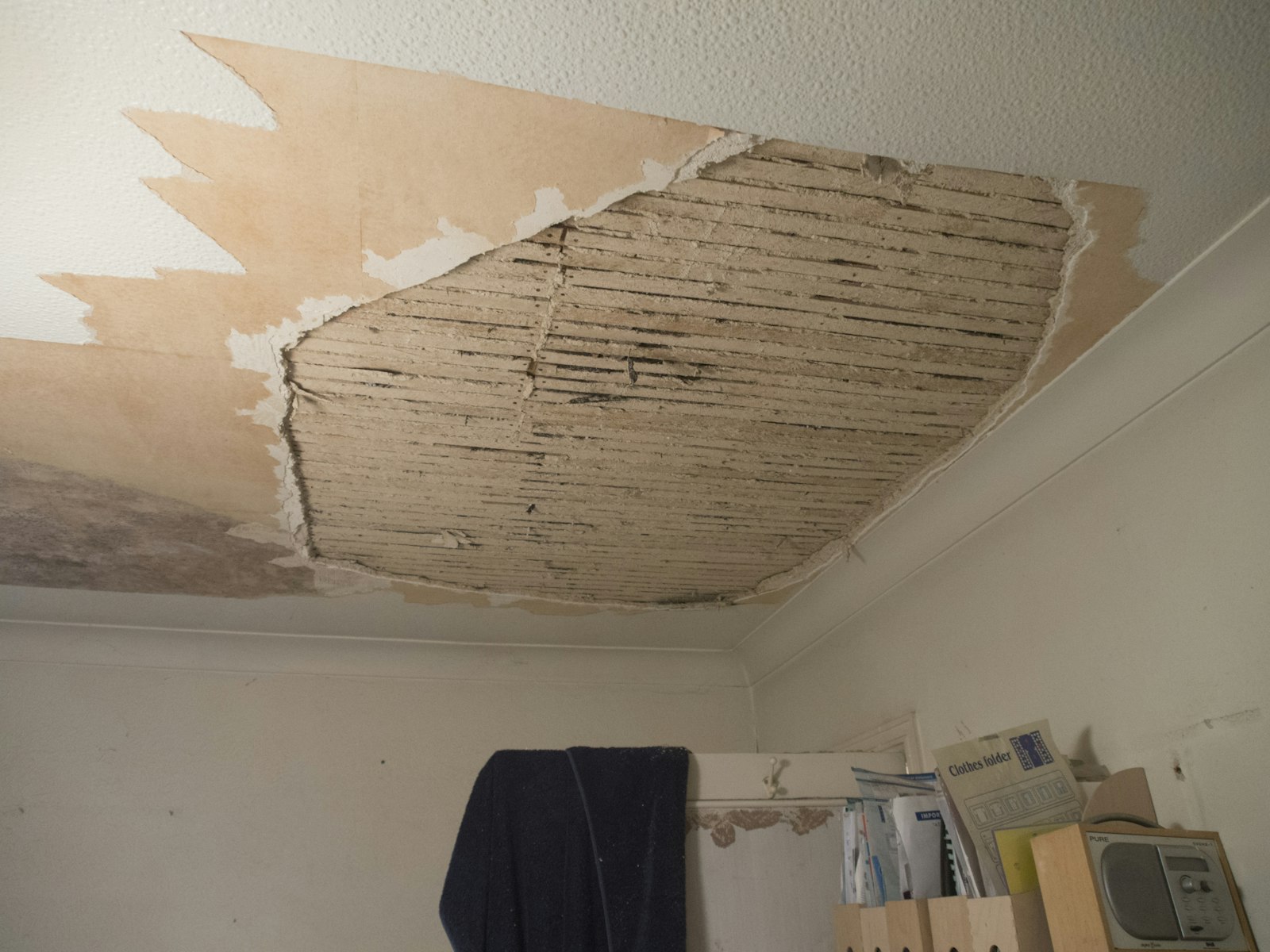
Mold doesn't wait for the insurance paperwork. On wet building materials, colonization can begin within 24 to 48 hours — which means the days after a leak, a flood, or a hurricane are exactly when the future of your home's air is decided.
The same is true at the other end of the process. When a remediation crew packs up and tells you you're good, that's a claim. It deserves verification.
Why verification testing exists
In professional practice, the answer to "did the remediation work?" is never "the contractor said so." It's post-remediation verification: independent testing performed after the work is complete. Without it, the company that did the cleanup is grading its own homework.
What verification looks like
Air sampling compared against an outdoor baseline. Moisture readings confirming the structure actually dried. An ERMI dust analysis showing whether problem species are still present. Documentation you can keep — for your family, your insurer, and the next conversation with your contractor if something isn't right.
Two ways to get it done
The Mold Package ($1,530) pairs the on-site Indoor Air Quality Assessment and the ERMI Mold Test with the Mycotoxin Urine Panel, so one physician reads the home and the body together. It was built for exactly this moment: right after water damage or a remediation project, when you want independent, data-backed proof the problem is truly gone. Just need the home checked? The on-site Indoor Air Quality Assessment ($599) sends a licensed assessor to do the air sampling, moisture mapping, and thermal imaging for you.
Either way, the principle is the same: after water touches your home, "it looks fine" is not a test result.