Mold is not a housekeeping grade. Some of the most spotless homes in Florida are quietly growing it — because the ingredient that matters isn't dirt. It's moisture, and Florida has more of it than almost anywhere in the country.
The Florida triple threat
Outdoor humidity sits above 70% much of the year. Your air conditioner is your real dehumidifier — and when a system is oversized, it cools the air so fast it shuts off before wringing the moisture out, leaving rooms cold and damp. Add the storm seasons that push water at every seam of the building envelope, and you have a climate that tests every home, every year.
Where it hides
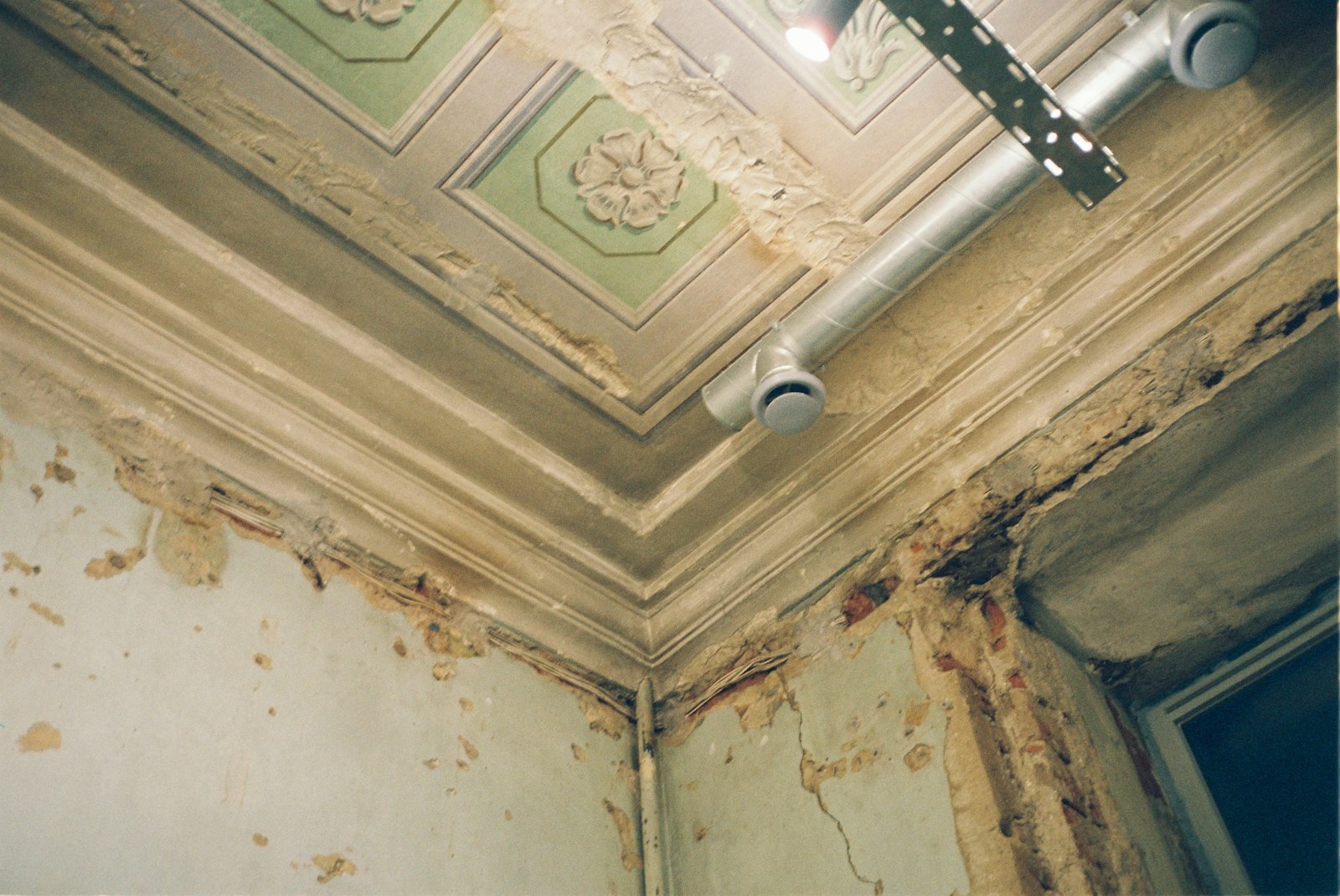
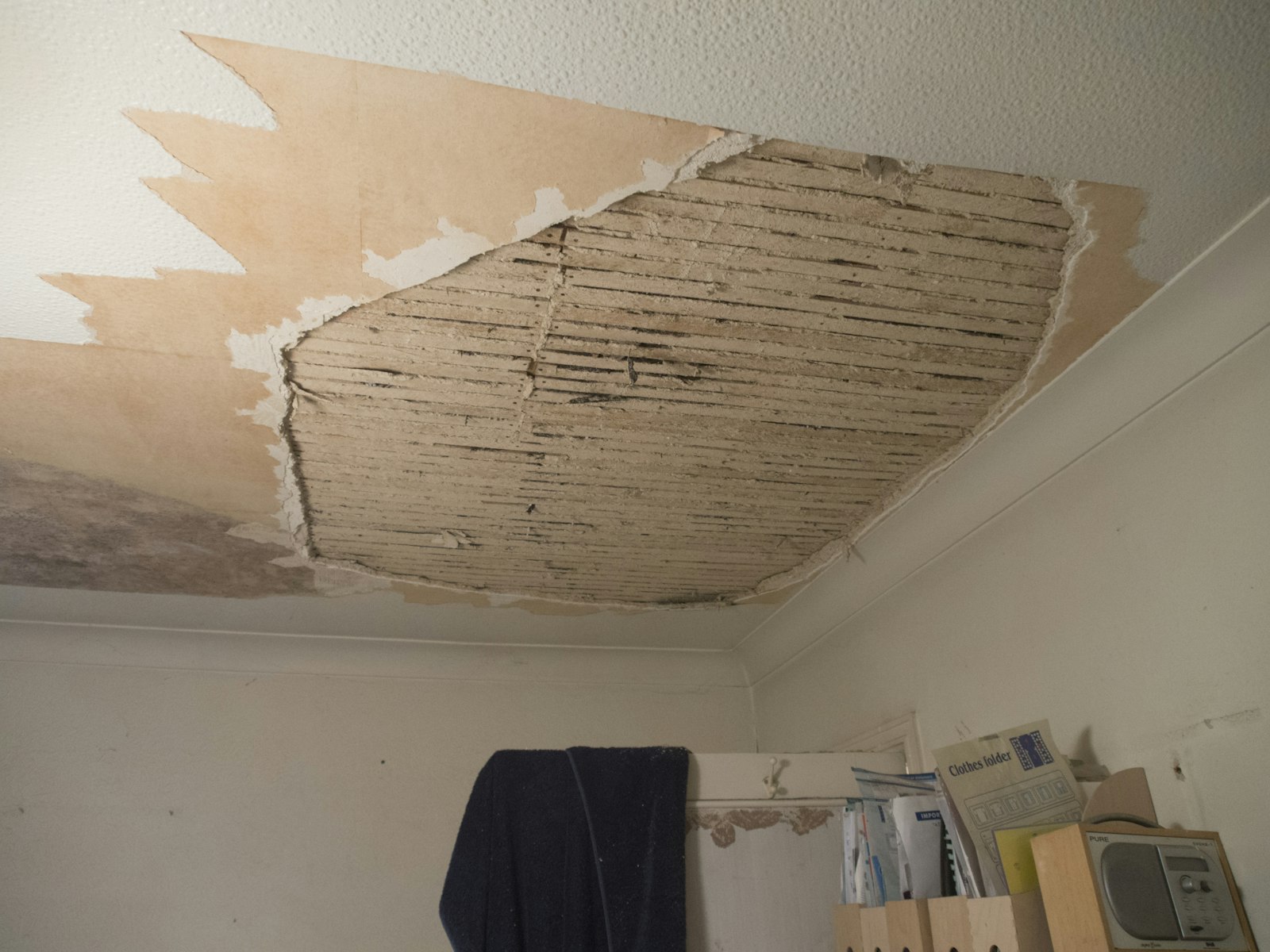
Condensation on supply vents and duct runs. The wall cavity behind a stucco hairline crack. The carpet pad that caught one window leak two summers ago. A closet on an exterior wall where air never moves. None of these announce themselves — which is why the first sign is so often a person, not a spot: allergies that won't quit, a musty note you only notice walking in the door.
What actually helps
The EPA recommends keeping indoor humidity between 30 and 50 percent. Practical Florida translation: service the AC yearly and keep the drain line clear, run bathroom fans, don't set the thermostat way up when you travel, and take sweating windows and warped baseboards seriously.
And treat your air the way you already treat termites: check it on a schedule, not just when something's visibly wrong. An annual Indoor Air Quality Assessment ($599) or an ERMI dust test ($400) turns "probably fine" into a number you can trust.