Testing
Mycotoxin Urine Test: What it is, How it works, and Why it Matters
June 5, 2026 · 7 min read
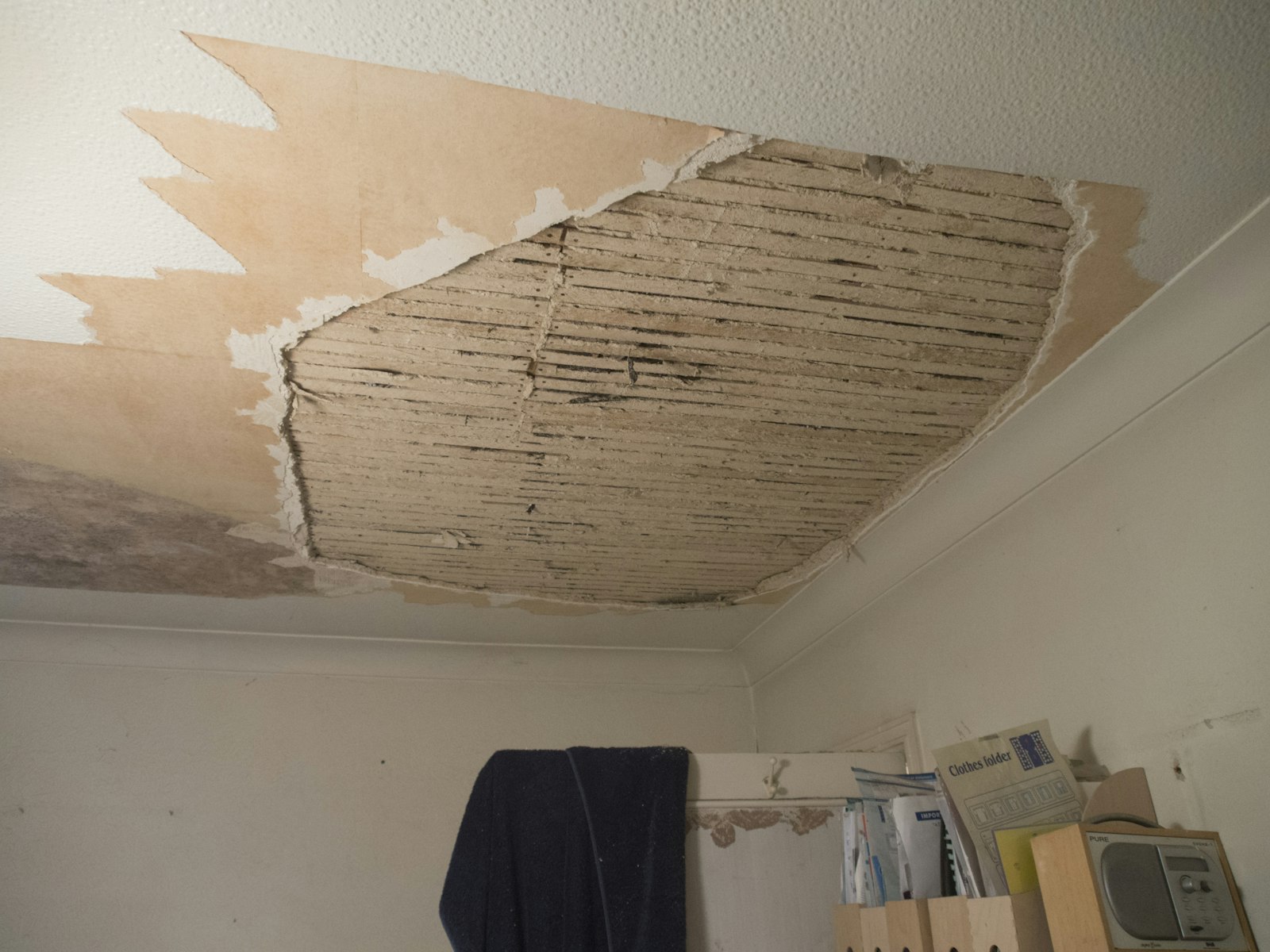
You suspect mold. Maybe you found water damage behind a wall. Maybe your symptoms, the fatigue, the brain fog, the breathing issues, line up a little too perfectly with everything you’ve been reading. Or maybe a functional medicine practitioner mentioned testing and you want to understand what you’re signing up for before you commit. Here’s what a mycotoxin urine test actually does, what it measures, and how to decide if it’s the right next step.
What Is a Mycotoxin Urine Test?
A mycotoxin urine test measures the presence of toxic compounds produced by mold, called mycotoxins, in your urine. These aren’t mold spores. They’re the chemical byproducts that certain mold species release, and they’re the reason mold exposure causes health problems.
When you inhale, ingest, or absorb mycotoxins through your skin, your body processes them and eventually tries to eliminate them, primarily through urine. A mycotoxin urine test captures that elimination in progress, giving you a direct measurement of your body’s current toxic mold burden.
Think of it this way: an air quality test tells you what’s in your environment. A mycotoxin urine test tells you what’s in you.
What Does It Measure?
Most comprehensive panels test for mycotoxins across several major families. The specific compounds vary by lab, but a thorough panel typically covers:
Aflatoxins, Produced primarily by Aspergillus species. These are among the most well-studied mycotoxins in the world and are classified as carcinogens. They target the liver and are commonly associated with contaminated food supplies, but they’re also found in water-damaged buildings.
Ochratoxin A, Produced by certain Aspergillus and Penicillium species. This mycotoxin has a notably long half-life in the body, meaning it can reflect exposure over several weeks. It’s associated with kidney damage and immune suppression, and it’s one of the most common mycotoxins found in indoor environments.
Trichothecenes, A large family of mycotoxins that includes compounds produced by Stachybotrys chartarum (black mold). Macrocyclic trichothecenes like satratoxin are among the most toxic, with documented effects on the nervous system, immune function, and DNA synthesis. Unlike mold spores, trichothecene molecules are small and light enough to become airborne easily, which means you can be exposed even if the mold itself is hidden behind a wall.
Gliotoxin, Produced by several mold species and known for its immunosuppressive properties. It can weaken your immune system’s ability to fight off infections, creating a vicious cycle where mold exposure makes you more vulnerable to other illnesses.
Zearalenone, Produced by Fusarium species. This mycotoxin acts as an endocrine disruptor, mimicking estrogen in the body. It’s associated with hormonal imbalances and reproductive issues, and it’s more common in warmer, humid climates.
How Does the Test Work?
1. Collect a urine sample. Most tests require a first-morning urine sample, which tends to have the highest concentration of mycotoxin metabolites. The kit includes a collection cup and instructions. No blood draw. No clinic visit.
2. Ship the sample to the lab. Kits come with prepaid shipping materials. You seal the sample, drop it in the mail, and the lab takes it from there.
3. Lab analysis. The lab processes your sample using detection methods such as ELISA (enzyme-linked immunosorbent assay) or LC-MS/MS (liquid chromatography-mass spectrometry). Both methods are highly sensitive, capable of detecting mycotoxins at parts-per-billion levels.
4. Results. You receive a report showing which mycotoxins were detected and at what levels, typically displayed in a clear numeric format. Results generally come back within 10 to 14 business days, depending on the lab.
Who Should Take a Mycotoxin Urine Test?
Not everyone who’s been in a damp building needs one. But there are clear situations where testing makes sense:
You have unexplained chronic symptoms. Fatigue, brain fog, respiratory issues, digestive problems, skin reactions, or chemical sensitivities that conventional testing hasn’t been able to explain. If standard bloodwork keeps coming back normal but you know something is off, mycotoxin testing can look where other tests don’t.
You’ve found water damage or mold in your environment. Whether it’s your home, your workplace, or a rental you just moved into, visible mold or a history of water intrusion means mycotoxin exposure is possible. Testing your body tells you whether that exposure has actually affected you, not just whether mold is present.
You’re preparing for or recovering from mold remediation. A baseline test before remediation gives you a starting point. A follow-up test afterward confirms your body is clearing the toxins. This is especially useful if you want evidence that remediation actually worked, not just for the building, but for your health.
You live in a high-humidity climate. Florida, the Gulf Coast, the Pacific Northwest, anywhere that stays warm and wet creates ideal conditions for mold growth. If you’re in one of these regions and experiencing symptoms of mold exposure, the probability of mold exposure is higher, and testing is a smart precaution.
Your practitioner recommended it. Functional medicine doctors, integrative physicians, and environmental health specialists increasingly use mycotoxin urine testing as part of their diagnostic process. If your provider brought it up, they likely suspect mold is part of your clinical picture.
What a Mycotoxin Urine Test Won’t Tell You
It’s worth being clear about the boundaries.
A urine test won’t tell you where the mold is. It confirms that your body contains mycotoxins, but it can’t pinpoint the source, your home, your office, your car, or even contaminated food. That’s why pairing a urine test with an environmental air quality test gives you the complete picture: one tests you, the other tests your space.
It also won’t diagnose a specific disease. Mycotoxin testing provides data about exposure and burden. What you do with that data, treatment protocols, remediation decisions, lifestyle changes, is a conversation between you and your healthcare provider.
How to Get the Most Accurate Results
A few practical tips to ensure your test reflects reality:
Hydrate normally, but don’t overdo it. Drinking excessive water before collection can dilute your sample and potentially lower detectable levels. Aim for your normal hydration, and collect first-morning urine for the most concentrated sample.
Some practitioners recommend provocation. Certain protocols suggest taking glutathione, NAC, or using sauna sessions before testing to help mobilize mycotoxins stored in fat tissue. This can increase the sensitivity of the test. Ask your healthcare provider if a provoked test is appropriate for your situation.
Test more than once if needed. A single test is a snapshot. If your initial results are borderline or negative but symptoms persist, a retest, especially with a provocation protocol, may reveal mycotoxins that weren’t mobilized during the first collection.
The Bottom Line
A mycotoxin urine test is one of the most direct ways to determine whether mold is affecting your health. It’s non-invasive, done at home, and measures what’s actually happening inside your body, not just what’s growing on your walls.
If you’ve been searching for answers and standard testing hasn’t delivered them, this might be the missing piece.
Vyro’s at-home mycotoxin urine test kit ships directly to your door. Collect your sample, send it back, and get lab-certified results, no appointment needed. [Order Your Test →](https://app.vyroenvironmental.com/intake)