Mold
How to Test Your Home for Mold (And Why Most People Do It Wrong)
June 5, 2026 · 8 min read
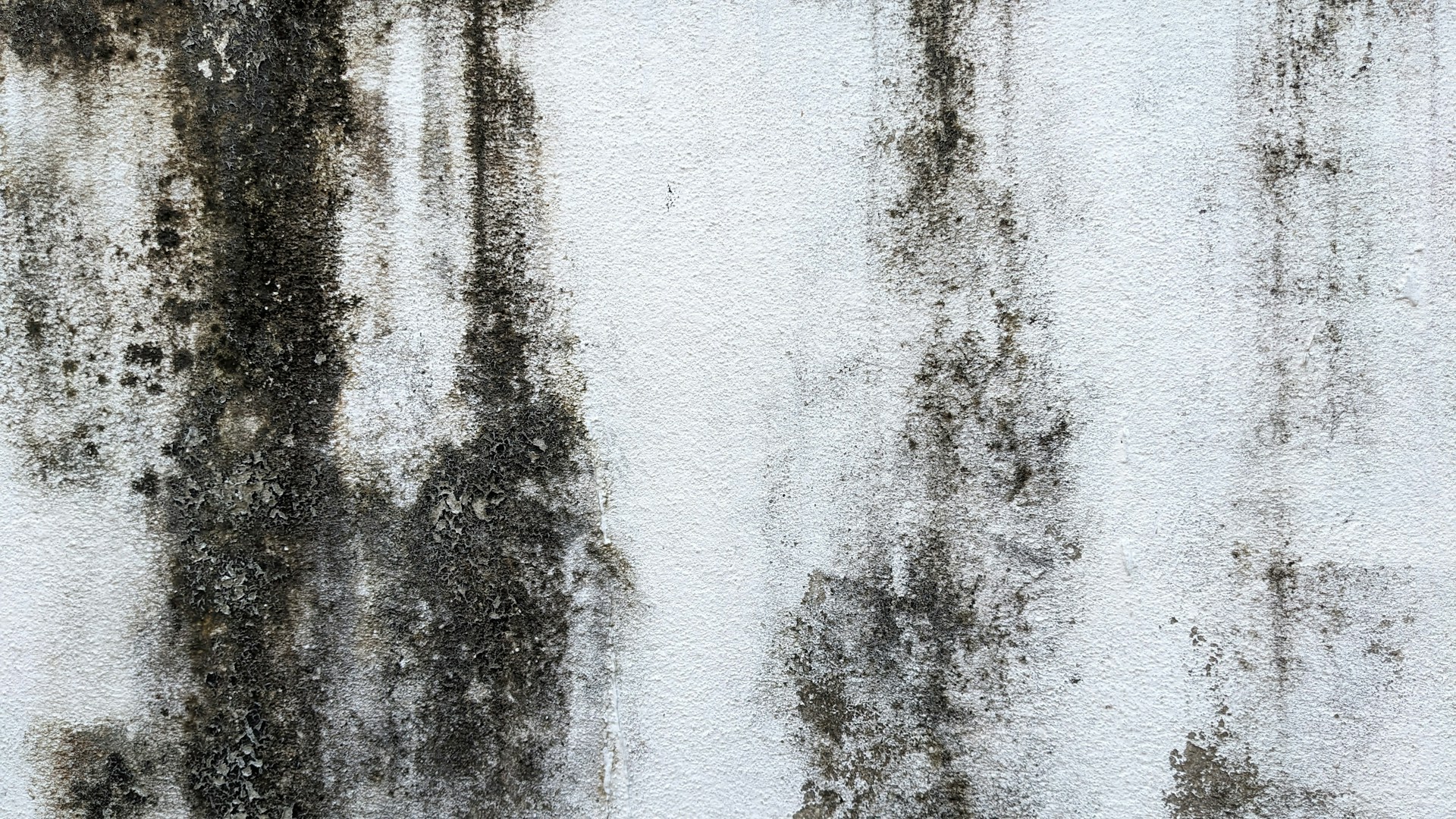
You found a dark spot behind the bathroom vanity. Or maybe there’s a musty smell in the basement that wasn’t there last year. Someone in the family keeps getting headaches, and you’re starting to wonder if the house is the problem. So you do what most people do: you search “mold test kit,” buy one from the hardware store, and set a petri dish on the counter. Here’s the issue with that approach, and why it gives you a false sense of security.
The Problem with Petri Dish Mold Tests
Those $20–$40 kits you find at Home Depot or on Amazon work by leaving an open petri dish in a room for 24 to 48 hours. Mold spores from the air settle onto a growth medium, and after a few days, you check to see if anything grew.
Something will always grow. Mold spores are everywhere, outdoors, indoors, in pristine homes, in condemned buildings. They’re a normal part of every environment on Earth. So when the petri dish shows growth, it confirms exactly one thing: there are mold spores in the air. Which was already true before you opened the package.
What the petri dish doesn’t tell you is whether the types and concentrations of mold in your home are abnormal compared to outside. It doesn’t differentiate between harmless background mold and dangerous toxin-producing species. And critically, it tells you nothing about mycotoxins, the toxic chemical compounds that certain molds produce, which are the actual reason mold exposure causes health problems.
A petri dish test is like checking your temperature with a thermometer that only reads “warm.” Technically true, practically useless.
What You Actually Need to Know
There are two questions worth answering when you suspect mold:
Question 1: Is my indoor environment contaminated? This means testing the air or surfaces in your home for mold spores and mycotoxins at levels that indicate a problem, not just confirming that mold exists (it always does).
Question 2: Has the mold affected my health? This means testing your body for mycotoxin metabolites to determine if you’re carrying a toxic burden from exposure.
Different tests answer different questions. Using the wrong one, or only using one, leaves you with half the picture.
Types of Mold Testing: What’s Available and What It Does
Petri Dish / Settle Plate Tests, The hardware store standard. An open dish collects whatever lands on it over a set time. Cheap and easy but scientifically unreliable for determining whether you have a mold problem. No comparison to outdoor baseline. No mycotoxin detection. No quantitative data. The CDC does not recommend this method for assessing indoor mold contamination.
Air Cassette Sampling (Spore Trap), The professional standard for mold inspectors. A calibrated air pump draws a known volume of air through a cassette, capturing spores on a sticky surface. Samples are sent to a lab where a microbiologist identifies and counts spore types under a microscope. This method compares indoor samples against outdoor baselines and can identify species-level contamination. Reliable, but typically requires hiring a professional inspector ($300–$800+).
ERMI / HERTSMI-2 Testing, DNA-based dust analysis developed by the EPA. You collect a dust sample and send it to a lab, which uses PCR technology to identify 36 mold species and generate a score indicating contamination severity. More precise than spore traps for identifying specific problematic species, but it reads accumulated dust rather than active air quality, and it doesn’t detect mycotoxins.
Mycotoxin Air / Surface Testing, This is where the industry is finally catching up. Instead of testing for mold itself, these tests detect the toxic compounds mold produces, the mycotoxins. Using methods like ELISA or LC-MS/MS, a lab analyzes dust or surface swabs for specific mycotoxins including aflatoxins, ochratoxins, trichothecenes, and gliotoxin. This matters because mycotoxins can persist on surfaces and in dust long after the mold that produced them has been removed or died. You could remediate the mold and still be living in a mycotoxin-contaminated space.
Mycotoxin Urine Testing, Tests your body, not your building. A urine sample analyzed for mycotoxin metabolites tells you whether mold exposure has resulted in a measurable toxic burden. This is the test that closes the loop: even if your environment looks clean, your body tells the true story.
Why Testing for Mycotoxins Changes Everything
Here’s the detail most people miss: mold and mycotoxins are not the same thing.
Mold is the organism. Mycotoxins are the weapons it produces. You can have mold without mycotoxins (not all mold species produce them). And you can have mycotoxins without visible mold (the toxins persist in dust and on surfaces long after the mold is gone).
This is why someone can spend $10,000 on professional mold remediation, get a clean bill of health on their air spore test, and still feel terrible. The mold is gone. The mycotoxins are still there, embedded in furniture, carpeting, HVAC systems, and personal belongings.
Testing for mold spores only answers whether mold is growing. Testing for mycotoxins answers whether your environment is toxic. Those are two very different questions.
The Right Way to Test Your Home
If you want real answers, not just a petri dish with some fuzz on it, here’s the approach that gives you actionable data:
Start with an indoor air quality or environmental mycotoxin test. Collect samples from the areas where you spend the most time: bedrooms, living areas, and any spaces with a history of moisture. Look for a test that specifically detects mycotoxins, not just mold spores. This tells you whether your environment is producing harmful compounds.
Pair it with a [mycotoxin urine test](/blog/mycotoxin-urine-test-what-it-is-how-it-works-and-why-it-matters). Test your environment and test yourself. The air quality test tells you what’s in your space. The urine test tells you what’s in your body. Together, you can determine the source of exposure, confirm whether it’s affecting your health, and establish a baseline before making any remediation decisions.
Use your results to drive action. If the environmental test shows mycotoxins and your urine test is elevated, you have a clear case for remediation, and a clear expectation for what should improve afterward. If the environmental test is clean but your urine shows mycotoxins, the source may be your workplace, your car, or contaminated food. If both are clean, you can rule out mold and focus your energy elsewhere.
This two-test approach eliminates guesswork. You’re not interpreting fuzzy petri dishes or arguing with your landlord about whether that stain on the ceiling is “really mold.” You have lab-certified data showing exactly what’s happening in your environment and in your body.
When to Call a Professional
Testing kits are excellent for initial screening and ongoing monitoring. But there are situations where a certified mold inspector is the right call:
You can smell mold but can’t find the source. Large-scale water damage has occurred (flooding, burst pipes, roof leaks). You’re in a legal dispute with a landlord or builder. You need documentation for insurance or a real estate transaction.
In these cases, a professional assessment with spore trap sampling, moisture mapping, and potentially destructive testing (opening walls) may be necessary. Your at-home test results will complement, not replace, that assessment, especially if you’ve already established mycotoxin data that a spore-only inspection would miss.
Stop Guessing. Start Testing.
The difference between knowing and guessing is a $30 petri dish that tells you nothing versus a lab-certified test that tells you everything. If you’re worried about mold in your home, skip the hardware store kits and get data that actually means something.
Your health isn’t a guessing game. Test what matters.
Vyro offers at-home indoor air quality test kits and mycotoxin urine tests with lab-certified results. No guesswork, no appointments, just answers. [Shop All Tests →](https://app.vyroenvironmental.com/intake)