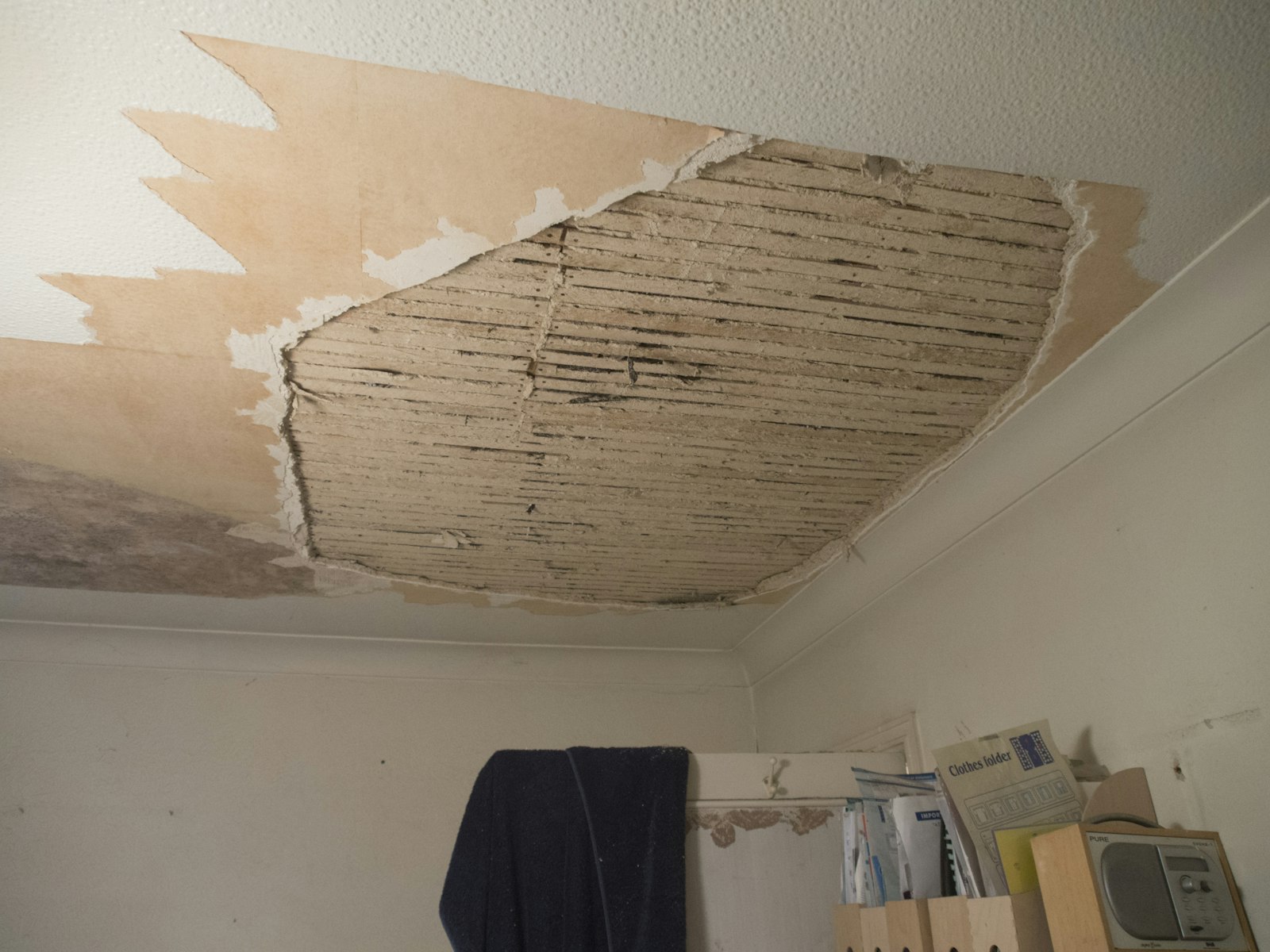

You’ve been to the doctor. Maybe twice. Maybe five times. They ran bloodwork. Everything came back “normal.” They told you it was stress. Allergies. Maybe even anxiety. So you tried the antihistamines. The supplements. The extra sleep. And nothing changed. Here’s what most people don’t consider, and what most doctors never ask: Could your house be making you sick?
Mold doesn’t announce itself. It grows behind walls, under sinks, inside HVAC ducts, and beneath flooring. You don’t have to see it or smell it for it to affect your health. And the symptoms it causes? They look like a dozen other conditions, which is exactly why mold exposure gets missed.
If any of the following sound familiar, it’s worth paying attention.
1. Fatigue That Sleep Doesn’t Fix
Not regular tiredness, the kind where you sleep eight hours and wake up feeling like you didn’t sleep at all. Mycotoxins (the toxic compounds mold produces) can disrupt mitochondrial function, which is your body’s energy production system at the cellular level. When your cells can’t produce energy efficiently, no amount of coffee or rest makes a dent.
2. Brain Fog and Difficulty Concentrating
You lose your train of thought mid-sentence. You walk into a room and forget why. Words that used to come easily now feel just out of reach. Certain mycotoxins, particularly trichothecenes produced by black mold (Stachybotrys chartarum), are toxic to neurons. Researchers have documented their ability to damage olfactory neurons, which may explain cognitive impairment in people living or working in water-damaged buildings.
3. Sinus Problems That Never Fully Resolve
Chronic congestion, post-nasal drip, recurring sinus infections, and the antibiotics only help temporarily. Mold spores trigger inflammatory responses in the nasal passages and sinuses. But unlike seasonal allergies, the exposure is constant if you’re living in it. So the symptoms persist year-round, regardless of pollen counts.
4. Unexplained Respiratory Issues
Wheezing, shortness of breath, or a cough that hangs on for weeks. If you’ve never had asthma and suddenly develop breathing issues, or if your existing asthma has gotten significantly worse without explanation, indoor mold is a common culprit. The World Health Organization has linked damp indoor environments to a 30 to 50% increase in respiratory symptoms.
5. Skin Reactions
Rashes, hives, or unexplained itching that dermatologists can’t pin down. Mycotoxins can be absorbed through the skin and trigger inflammatory skin responses. If topical treatments aren’t working and the rash keeps coming back, the source may not be on your skin, it may be in your air.
6. Digestive Problems
Bloating, nausea, abdominal pain, or changes in bowel habits that started without an obvious dietary cause. Mycotoxins from mold species like Fusarium and Aspergillus are well-documented gut irritants. They can damage the intestinal lining and disrupt the gut microbiome, leading to chronic digestive issues that look a lot like IBS.
7. Heightened Sensitivity to Chemicals and Foods
Suddenly you can’t tolerate perfume, cleaning products, or foods you used to eat without issue. This increased chemical sensitivity is a hallmark of chronic mycotoxin exposure. As mycotoxins accumulate in the body, they can overload detoxification pathways, leaving your system reactive to things that never bothered you before.
The Pattern That Matters Most
Here’s the detail that ties it all together: your symptoms improve when you leave.
If you feel better on vacation, at a friend’s house, or even just after a long day away from home, and then feel worse when you return, that’s not coincidence. That’s a pattern pointing directly at your environment.
Pay attention to it.
Why Standard Tests Miss It
Most conventional bloodwork doesn’t test for mycotoxins. A complete blood count and metabolic panel will come back clean because they’re not looking for the right thing. Mold illness isn’t a deficiency or an infection your standard lab panel can flag. It requires targeted testing, specifically, testing that detects mycotoxin metabolites your body is actively trying to eliminate.
That’s where a mycotoxin urine test comes in. It measures the specific toxic compounds produced by mold as your body excretes them. It’s a direct window into whether mold is part of your health picture, not a guess based on symptoms alone.
What You Can Do Right Now
Step 1: Document the pattern. Write down your symptoms, when they started, and whether they improve when you’re away from home or your workplace.
Step 2: Check your environment. Look for visible signs of water damage, staining on ceilings or walls, musty odors, condensation on windows, warped flooring. Mold follows moisture. If there’s been a leak, a flood, or persistent humidity, mold is likely present even if you can’t see it.
Step 3: Test, don’t guess. A mycotoxin urine test can tell you whether your body is carrying a toxic mold burden. An indoor air quality test can tell you whether your home or office is the source. Together, they give you the full picture, and a clear path forward.
You don’t have to keep cycling through doctors who tell you nothing’s wrong. Sometimes the answer isn’t in your blood. It’s in your walls. And there’s a simple way to find out.
Vyro offers at-home mycotoxin urine tests and indoor air quality test kits with fast, lab-certified results. No doctor’s visit required. [Shop Tests →](https://app.vyroenvironmental.com/intake)