Renters' Rights
Mold in Your Rental? A Tenant’s Guide to Testing and Protecting Your Rights
June 5, 2026 · 8 min read
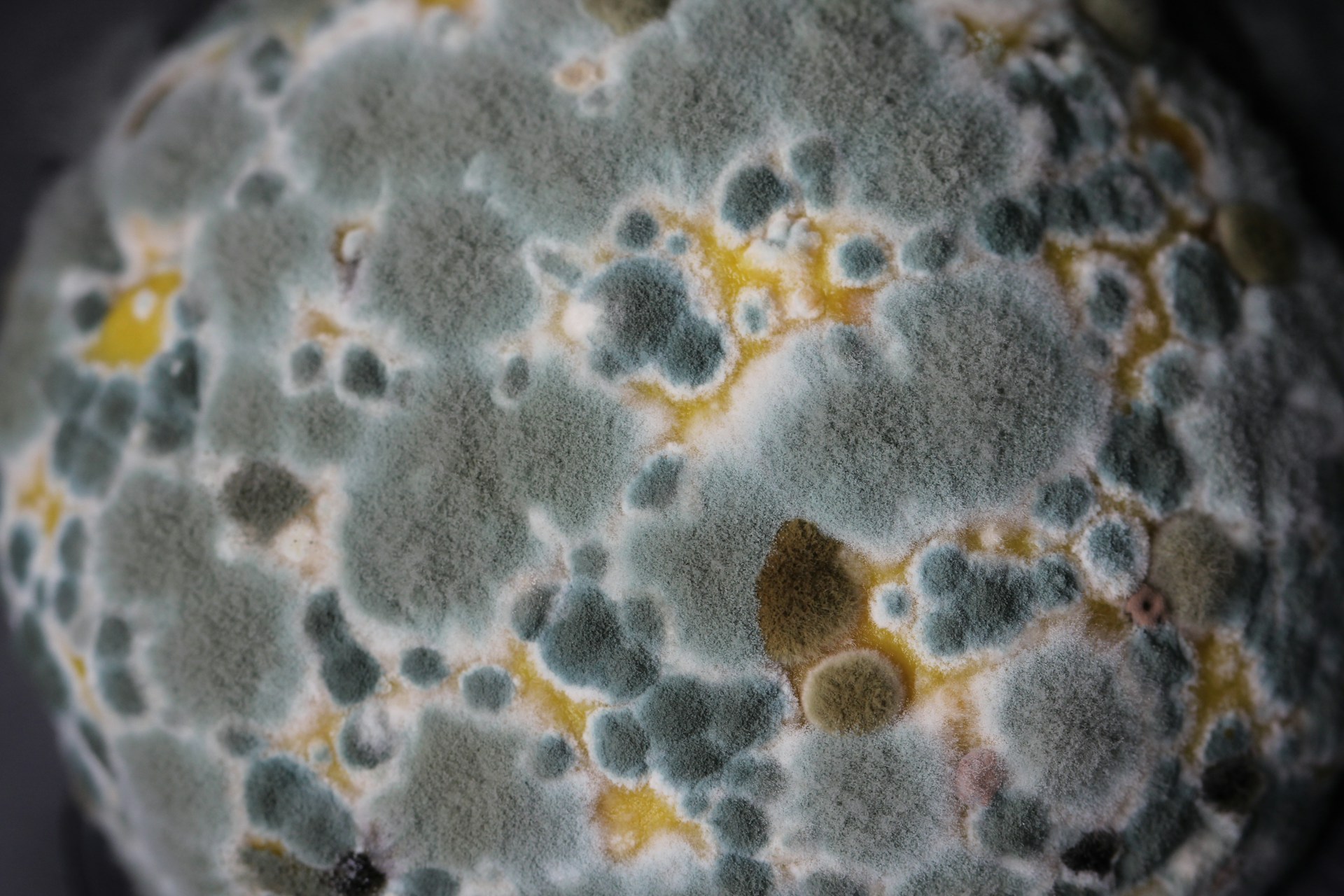
You didn’t cause the leak. You didn’t ignore the humidity. You reported the problem weeks ago. And yet here you are, living with a dark stain creeping across the bathroom ceiling, a musty smell you can’t get rid of, and a landlord who either won’t return your calls or insists it’s “just cosmetic.”If you rent your home and suspect mold, you’re in a uniquely frustrating position. You can’t rip open walls. You can’t hire a remediation crew without permission. And you can’t force anyone to take you seriously, unless you have evidence. Here’s how to get it, what it means legally, and what you can actually do about it.
Why Renters Are Disproportionately Affected
Mold follows moisture. And moisture problems in rental properties tend to compound because tenants can’t authorize structural repairs. A slow leak behind the wall, a failing seal around a window, an HVAC unit that hasn’t been serviced in years, these are maintenance issues a homeowner would catch and fix. In a rental, they often go unaddressed until they become visible, which means by the time you see mold, the problem has been growing for months.
Older apartment buildings are especially vulnerable. Aging plumbing, original windows, flat or low-slope roofs, shared HVAC systems, and deferred maintenance create exactly the conditions mold needs: persistent moisture in enclosed spaces with limited airflow.
The frustrating reality is that you’re the one breathing the air, but you’re not the one with the authority, or the obligation, to fix the building. That imbalance is what makes documentation so critical.
Your Rights as a Tenant
In virtually every state, landlords are required to maintain rental units in habitable condition. This legal principle, known as the implied warranty of habitability, means your landlord must keep the property free from conditions that threaten your health or safety. Mold caused by unrepaired water damage, leaking pipes, or inadequate ventilation falls squarely within that obligation.
While federal law doesn’t specifically address mold, most states and many municipalities have landlord-tenant statutes that require landlords to address moisture problems and their consequences. Some states, including California, Texas, New York, and Maryland, have enacted laws that directly reference mold disclosure, remediation timelines, or tenant remedies.
In practical terms, here’s what this means for you:
Your landlord is generally responsible for mold if it results from a building condition they’re obligated to maintain, roof leaks, plumbing failures, inadequate ventilation, or foundation issues. If the moisture source is within the landlord’s control, the mold is their problem.
You are responsible if the mold results from your own actions, failing to ventilate the bathroom during showers, leaving windows open during rain, or ignoring a spill that saturated the carpet. Landlords can push back if they believe the tenant created the moisture condition.
The gray area is where disputes happen. Landlords will often argue that the tenant caused humidity problems. Tenants will often argue that the building’s ventilation is insufficient. This is exactly why objective testing data, not opinions, is what resolves these disputes.
Why You Need Testing (Not Just Photos)
A photo of a dark spot on the wall proves something is there. It doesn’t prove it’s dangerous. It doesn’t identify what species are present. And it doesn’t tell you whether mycotoxins, the toxic compounds that certain molds produce, are contaminating your air.
Landlords dismiss photos. Property managers dismiss photos. Even housing inspectors sometimes dismiss photos, because visible discoloration can be mold, mineral deposits, water stains, or dirt.
What landlords can’t dismiss is a lab report.
A certified lab result showing elevated mycotoxin levels in your living space is objective, quantified evidence that your unit has a health hazard. It transforms the conversation from “I think there’s mold” to “here’s the data showing my apartment is contaminated with trichothecenes at levels consistent with a water-damaged building.”
That’s a different conversation entirely, and it’s the one that gets results.
How to Build Your Case: A Step-by-Step Approach
Step 1: Document everything in writing. Send your landlord a written notice (email is fine, but certified mail creates a stronger record) describing the problem: what you’ve observed, when you first noticed it, and what you’re requesting. Be specific. “There is visible mold growth on the bathroom ceiling that appeared approximately three weeks ago, coinciding with a water stain that has been spreading since \[date\]. I am requesting inspection and remediation.” Most states require landlords to respond within 14 to 30 days after receiving written notice of a habitability issue.
Step 2: Test your environment. You don’t need your landlord’s permission to test the air in your own home. An indoor air quality test or environmental mycotoxin test can detect whether harmful compounds are present in the unit you’re paying to live in. You can order a test kit, collect samples yourself, and send them to a lab, no inspector visit required, no access issues, no need to coordinate with property management.
Step 3: Test yourself. If you or anyone in your household is experiencing symptoms consistent with mold exposure, chronic fatigue, respiratory issues, brain fog, skin reactions, a mycotoxin urine test can determine whether your body is carrying a toxic mold burden. This connects the environmental contamination directly to a health impact, which is significantly more compelling in any dispute than symptoms alone.
Step 4: See a doctor. If your test results show mycotoxin exposure and you’re symptomatic, get a medical evaluation on record. A physician’s documentation that your symptoms are consistent with mycotoxin exposure creates a medical paper trail that supports your case, whether you’re negotiating with your landlord, filing a complaint with a housing authority, or consulting an attorney.
Step 5: Know your remedies. Depending on your state, you may have the right to withhold rent until the issue is resolved, to “repair and deduct” (pay for remediation yourself and deduct the cost from rent), to terminate your lease without penalty, or to pursue damages in court. The specific options available to you depend on your jurisdiction, your lease terms, and how your landlord responds to your notice. An attorney specializing in landlord-tenant law can advise you on the strongest path forward.
What If Your Landlord Pushes Back?
Expect it. Many landlords respond to mold complaints with a visual-only inspection, a quick coat of paint, or a flat denial. Some will send a handyman instead of a licensed mold professional. Others will claim the mold is your fault.
This is exactly why lab-certified test results change the dynamic. When you present objective data showing mycotoxins in your unit, the conversation shifts from your word against theirs to documented evidence of a habitability violation. Most landlords, and especially their attorneys, take lab results seriously because they know a judge will too.
If your landlord still refuses to act, file a complaint with your local code enforcement or housing authority. Many municipalities have inspection programs that can cite landlords for habitability violations. In some jurisdictions, repeated violations can result in fines or even condemnation orders.
Protecting Your Health While You Wait
Remediation takes time, even when your landlord cooperates. While you’re waiting for the problem to be addressed:
Run a HEPA air purifier in the rooms where you spend the most time, especially your bedroom. HEPA filters capture mold spores down to 0.3 microns, significantly reducing airborne exposure.
Control humidity. Keep indoor humidity below 50% using a dehumidifier. Mold growth slows dramatically below this threshold. A simple hygrometer (under $15 at any hardware store) lets you monitor levels.
Increase ventilation. Open windows when weather permits. Run exhaust fans during and after showers. The goal is to keep moisture from accumulating on surfaces where mold can establish.
Don’t disturb visible mold. Scrubbing mold releases spores into the air and can actually increase your exposure. If mold is visible, leave it undisturbed until professional remediation occurs. Disturbing it without proper containment can spread contamination to other rooms.
The Bottom Line
As a renter, you don’t control the building. But you control the evidence. Lab-certified test results documenting mycotoxins in your environment, and in your body, are the single most powerful tool you have. They transform a subjective complaint into an objective health hazard, and they give you leverage that photos and phone calls never will.
Don’t wait for your landlord to take you seriously. Get the data first. Then make them respond to it.
Vyro’s at-home test kits let you collect environmental and urine samples without waiting for your landlord’s cooperation. Lab-certified results you can use to protect your health and your rights. [Shop Tests →](https://app.vyroenvironmental.com/intake)