Mold
Mold After a Flood or Hurricane: The Hidden Threat Most Homeowners Miss
June 5, 2026 · 9 min read
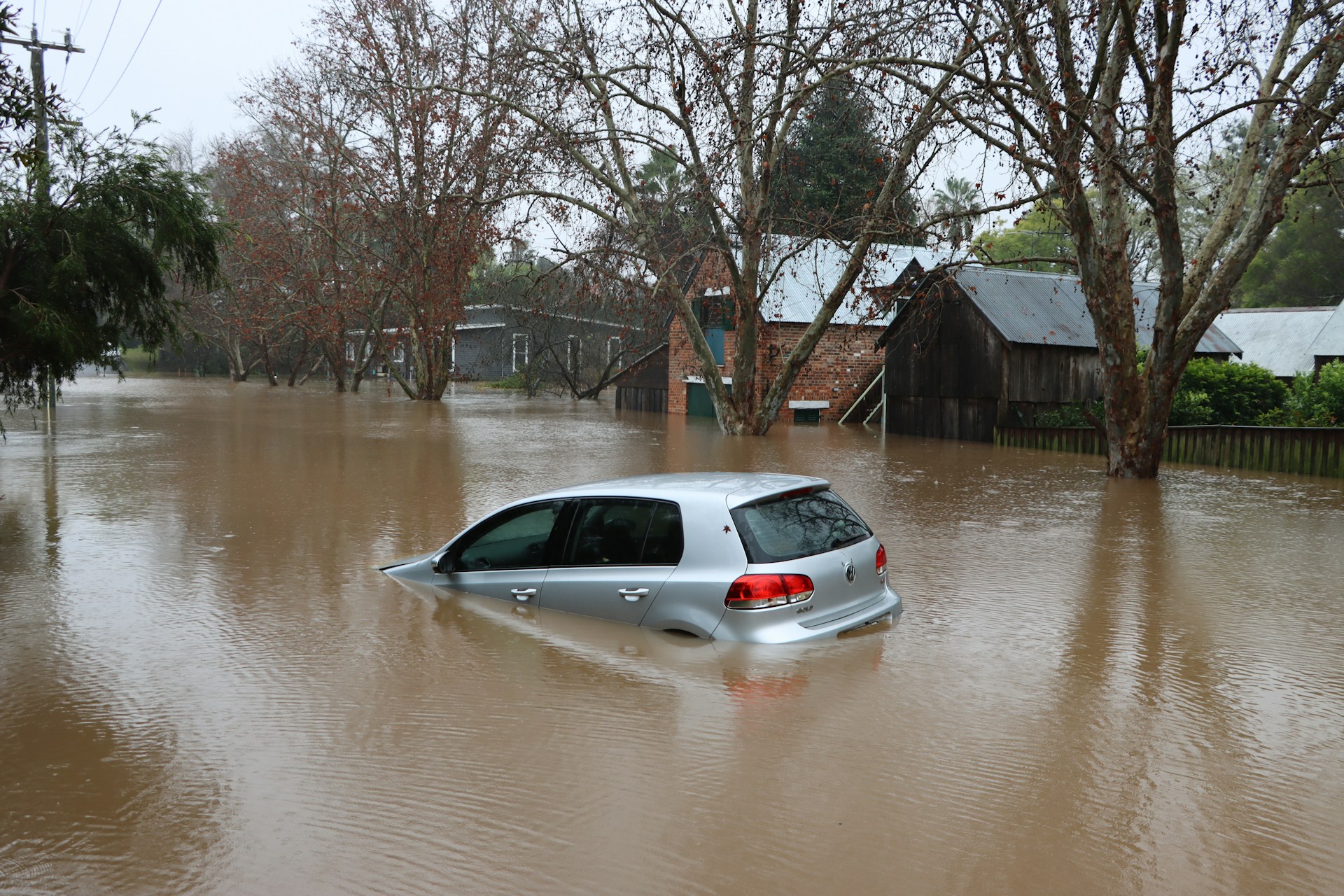
The water recedes. The insurance adjuster comes and goes. You rip out the carpet, run the fans, and start putting your house back together. And then, a few weeks later, someone in the family starts coughing. The headaches come back. The kids are congested again even though allergy season is over. The house passed its inspection. The remediation crew signed off. So why does everyone still feel terrible? Because the mold might be gone. But the mycotoxins it produced are still there.
Why Flooding Creates the Perfect Mold Storm
Mold needs two things to grow: moisture and organic material. A flooded home delivers both in abundance. Drywall, wood framing, carpet padding, insulation, cardboard, paper, everything the walls of your house are made of becomes a food source the moment it gets wet.
And mold doesn’t wait. Spores can germinate on wet surfaces within 24 to 48 hours. By the time most homeowners begin cleanup, often days or weeks after the water recedes, mold colonies have already established themselves inside wall cavities, under flooring, inside HVAC ductwork, and in any space where moisture was trapped.
Hurricanes and major floods make this exponentially worse. Floodwater isn’t clean water. It carries sewage, agricultural runoff, chemical contaminants, and soil-borne mold spores from the surrounding environment. When that water saturates your home, it introduces mold species and bacterial contaminants that wouldn’t normally be present indoors, including toxin-producing species like Stachybotrys (black mold), Aspergillus, and Fusarium.
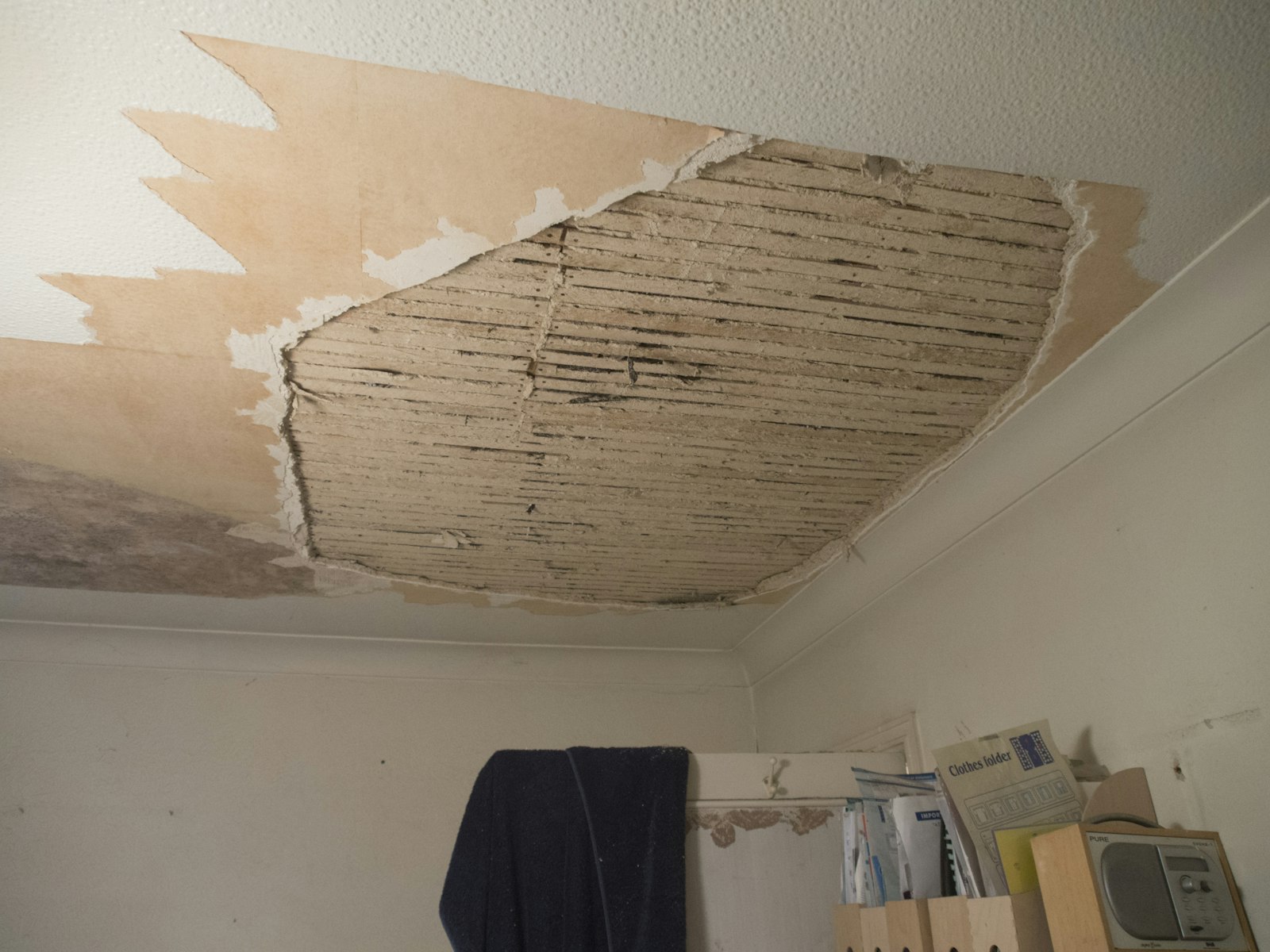
Researchers who studied homes after Hurricanes Katrina and Rita found that buildings with more than three feet of indoor flooding showed significantly higher mold growth than homes with minor water intrusion. But even homes that experienced roof leaks or window seepage, without standing water, developed substantial mold problems.
The 48-Hour Window Most People Miss
Every hour that passes after flooding increases the likelihood and severity of mold growth. The general guidance from the EPA and FEMA is straightforward: any material that has been wet for more than 48 hours should be assumed to have mold growth, even if none is visible.
This is where most homeowners lose the battle. After a hurricane or major flood, you’re dealing with power outages, road closures, insurance logistics, displacement, and the overwhelming shock of seeing your home underwater. Getting back into the house within 48 hours is often physically impossible.
By the time you do get back, the mold has had days, sometimes weeks, of uninterrupted warm, humid conditions to establish itself. In Florida and along the Gulf Coast, where post-storm temperatures regularly exceed 80°F with near-100% humidity, mold growth accelerates faster than almost anywhere else in the country.
The result: even homes that look clean on the surface can harbor extensive mold colonies behind walls, under subfloors, and inside mechanical systems. And those colonies are producing mycotoxins that you can’t see, can’t smell, and can’t detect without targeted testing.
Why “Remediation Complete” Doesn’t Mean “Safe”
Here’s the gap that catches most homeowners off guard.
Standard mold remediation removes the mold organism, the visible colonies, the contaminated building materials, the spore-producing growth. A post-remediation clearance test (typically an air spore trap) confirms that airborne spore counts have returned to normal. Your remediation company signs off. Your insurance adjusts the claim. And you move back in.
But spore counts and mycotoxin levels are two different measurements. Mycotoxins are chemical compounds, they’re not alive, they’re not growing, and they don’t show up on a spore trap test. They persist on surfaces, in dust, embedded in soft furnishings, and circulating through HVAC systems long after every living mold colony has been removed.
You can pass a post-remediation spore test with flying colors and still be living in a mycotoxin-contaminated environment. The mold is gone. The poison it left behind is not.
This is why families who do everything right, hire licensed remediators, pass clearance testing, replace drywall and flooring, still experience chronic health symptoms after moving back into a flood-damaged home. The standard remediation process addresses the organism but doesn’t test for the toxins.
What Mycotoxins Do After a Flood
The mold species most commonly associated with water-damaged buildings, Stachybotrys, Aspergillus, Penicillium, Fusarium, and Chaetomium, are known mycotoxin producers. The specific toxins they release include trichothecenes, aflatoxins, ochratoxin A, gliotoxin, and zearalenone.
These compounds are remarkably durable. They don’t degrade quickly in indoor environments. They can bind to dust particles and recirculate through your HVAC system. They settle into carpet fibers, upholstery, mattresses, and clothing. And they’re small enough to become airborne with normal household activity, walking across a room, sitting on a couch, turning on a ceiling fan.
Mycotoxin exposure after flooding has been linked to respiratory inflammation, neurological symptoms including cognitive impairment and memory loss, immune suppression, chronic fatigue, and gastrointestinal damage. Children, the elderly, and anyone with a compromised immune system are at highest risk, but healthy adults can be affected too, especially with prolonged exposure.
How to Actually Know If Your Home Is Safe
If your home has experienced flooding of any kind, hurricane storm surge, rising water, roof leaks, burst pipes, the only way to confirm it’s truly safe is to test beyond the standard spore count.
Step 1: Test your environment for mycotoxins. An indoor air quality or surface mycotoxin test detects the toxic compounds themselves, not just the mold that produced them. Collect samples from the areas where your family spends the most time: bedrooms, living spaces, and any rooms adjacent to where flooding occurred. This is especially important after remediation, because it answers the question the spore trap can’t: are mycotoxins still present in my home?
Step 2: Test your body. A mycotoxin urine test measures whether your body is carrying a toxic burden from exposure. If your environmental test shows mycotoxins and your urine test is elevated, you have a clear, documented connection between your home and your health. This is critical for insurance claims, medical treatment plans, and decisions about whether additional remediation is needed.
Step 3: Test before you move back in. If you were displaced by the flood and your home has been remediated, test before you bring your family back. A clean spore count is necessary but not sufficient. Mycotoxin testing gives you the full picture. The cost of a test kit is negligible compared to the cost of months of unexplained illness.
Protecting Your Family During Recovery
Wear respiratory protection during cleanup. An N95 mask is the minimum. If you’re cutting into walls, pulling up flooring, or working in enclosed spaces, consider a half-face respirator with P100 filters. Mold spores and mycotoxin-laden dust are most concentrated during demolition and removal.
Don’t let children or pregnant women participate in cleanup. The EPA explicitly advises against this. Children’s developing lungs and immune systems are significantly more vulnerable to mold and mycotoxin exposure. Keep them out of the affected space entirely until testing confirms it’s safe.
Replace your HVAC filters immediately after any water event, and again after remediation. Mycotoxins and mold spores accumulate in ductwork and on filters. Consider having your HVAC system professionally cleaned if flooding was significant. Upgrade to MERV 13 filters at minimum.
Run HEPA air purifiers in every occupied room during and after remediation. HEPA filtration captures particles down to 0.3 microns, including mold spores and many mycotoxin-carrying dust particles.
Monitor humidity religiously. Keep indoor humidity below 50%, ideally between 30% and 45%. Use dehumidifiers aggressively, especially in the weeks and months after flooding. Sustained low humidity prevents regrowth and reduces the risk of secondary contamination.
When to Walk Away
This is the hardest conversation, but it’s an important one. In some cases, particularly with severe flooding where water sat for days or weeks, where multiple mold species have established, or where remediation has been attempted multiple times without resolving symptoms, the safest decision may be to leave.
Testing data can help you make this decision objectively. If environmental mycotoxin levels remain elevated after professional remediation, or if urine testing shows persistent mycotoxin burden despite time away from the home, that’s data telling you the environment isn’t safe, regardless of what the spore count says.
It’s a painful decision. But it’s better to make it with lab data than to spend months wondering why your family can’t get well.
Don’t Rebuild Blind
A flood takes your home apart. Rebuilding should put it back together safely, not just structurally. Standard post-remediation testing tells you the mold is gone. Mycotoxin testing tells you the danger is gone. They’re not the same thing, and the difference matters more than most people realize until they’re living with the consequences.
Test before you move back in. Test after remediation. Test if symptoms persist. The answers are in the data.
Vyro’s at-home mycotoxin test kits give you lab-certified answers, for your environment and your body, without waiting for an inspector. Because after a flood, you’ve waited long enough. [Shop Tests →](https://app.vyroenvironmental.com/intake)